Since 1956, we at Geibel & Hotz have been developing and manufacturing high-precision grinding machines for international use at our Homberg (Ohm) location. Our expertise is based on over 70 years of experience as an owner-managed company that stands for reliable technology and collaborative partnerships.
Today, our portfolio includes a wide range of precision grinding machines, including surface, profile, cylindrical, rotary table, vertical rotary table, universal linear, and segment grinding machines, as well as matching accessories. In a production facility spanning 5,200 m², approximately 85 employees develop and manufacture machines that meet your requirements in every respect.
Our Strength: Customized precision, with modular configuration.
We are convinced that every requirement deserves a specific solution. That is why we rely on a modular system that allows machines to be individually configured in various sizes and with different control systems. This flexibility allows us to precisely tailor every Geibel & Hotz machine to your specific requirements—whether for the production of individual parts or high-volume series production.
Our machines stand for the highest quality, reliability, and cost-effectiveness over an exceptionally long service life. Over 12,000 units delivered worldwide are the best proof of this.
Innovation Through Collaboration.
To implement technical advancements at an early stage and continuously optimize industrial manufacturing, Geibel & Hotz works closely with renowned university research institutes. This ensures that the latest research findings and innovative concepts are directly incorporated into our machine development. This gives you access to cutting-edge technology that redefines the limits of precision.
Our team of 85 dedicated employees across various departments works with great craftsmanship and passion to develop the best possible grinding solutions together with our customers.
Sustainability: Built into every detail.
At Geibel & Hotz, sustainability isn’t just a new buzzword—it has long been an integral part of our philosophy. We develop and manufacture our products with an eye toward conserving our resources:
Energy-efficient product design: As early as 1980, we filed a patent for an electromechanical timing belt drive—an example of our early focus on low energy consumption. Today, all of our machines are equipped with energy recovery modules that optimize energy recovery from the grinding spindle drive and the feed axes. This allows us to feed energy back into the grid and achieve significant reductions in energy consumption.
Resource-Conserving Material Selection: In the basic design of our machines, we prioritize the circular economy. The cast iron bed of our machines, for example, is manufactured using a significant proportion of recycled material. This reflects our commitment to the sustainable use of raw materials and the high recyclability of our components.
Responsible production processes: We are continuously committed to using environmentally friendly processes in our manufacturing.
A partnership that goes the distance.
We see ourselves as your strategic partner for all aspects of the grinding process. Our strong customer focus is reflected in our comprehensive range of services: from professional commissioning and detailed training to technical support, comprehensive maintenance, and prompt repairs.
Our team of 85 dedicated employees across various departments works with great technical precision and passion to develop the best possible grinding solutions together with our customers.
Our History
-
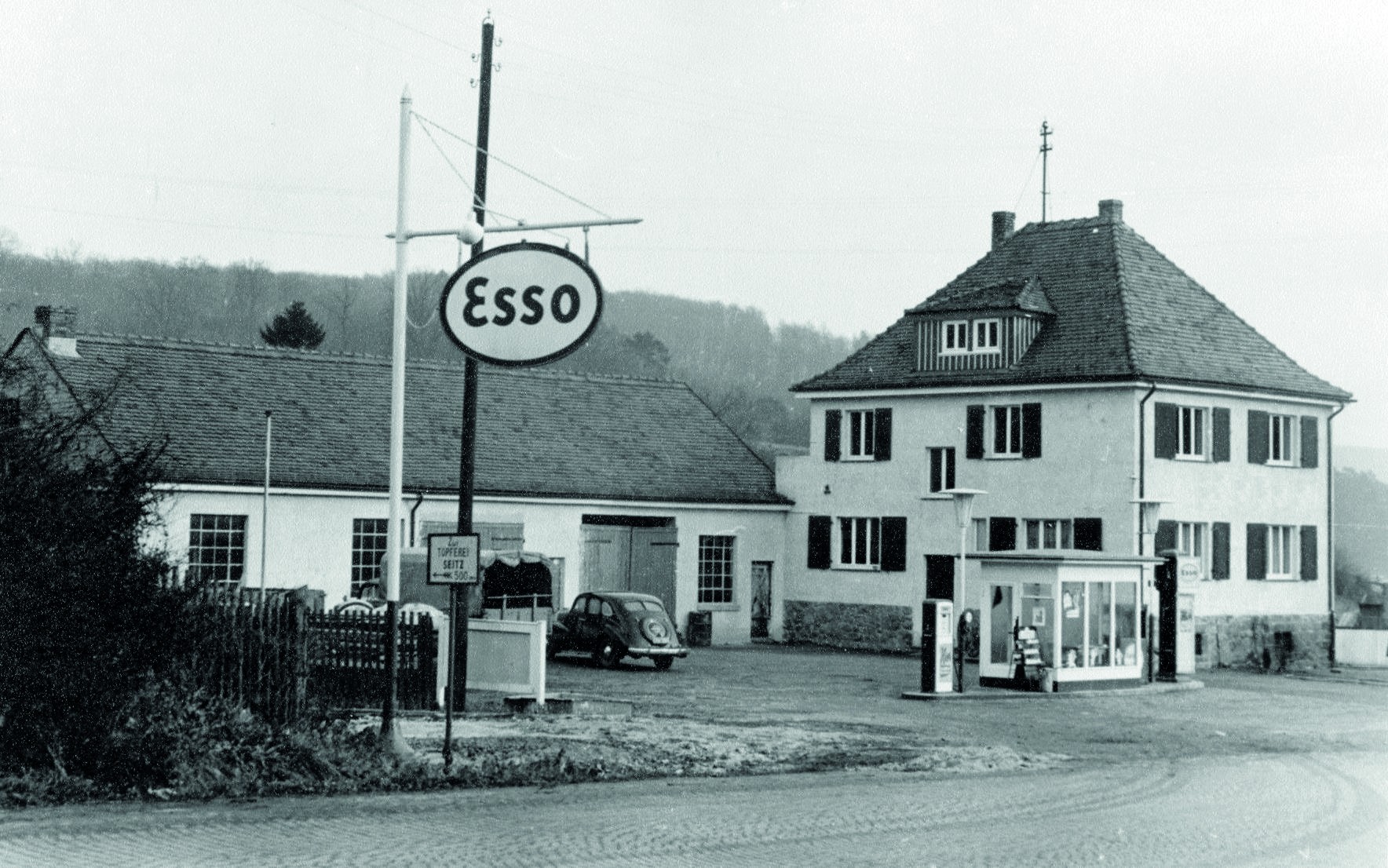
1956
ELB-Werkzeug- und Maschinenbau GmbH was founded by Mr. Jakob Koch in Homberg (Ohm).
The company manufactured the SW 4/5 surface grinder under license from ELB Schliff in Babenhausen, as well as feed mechanisms and dressing units, also for ELB Schliff. -
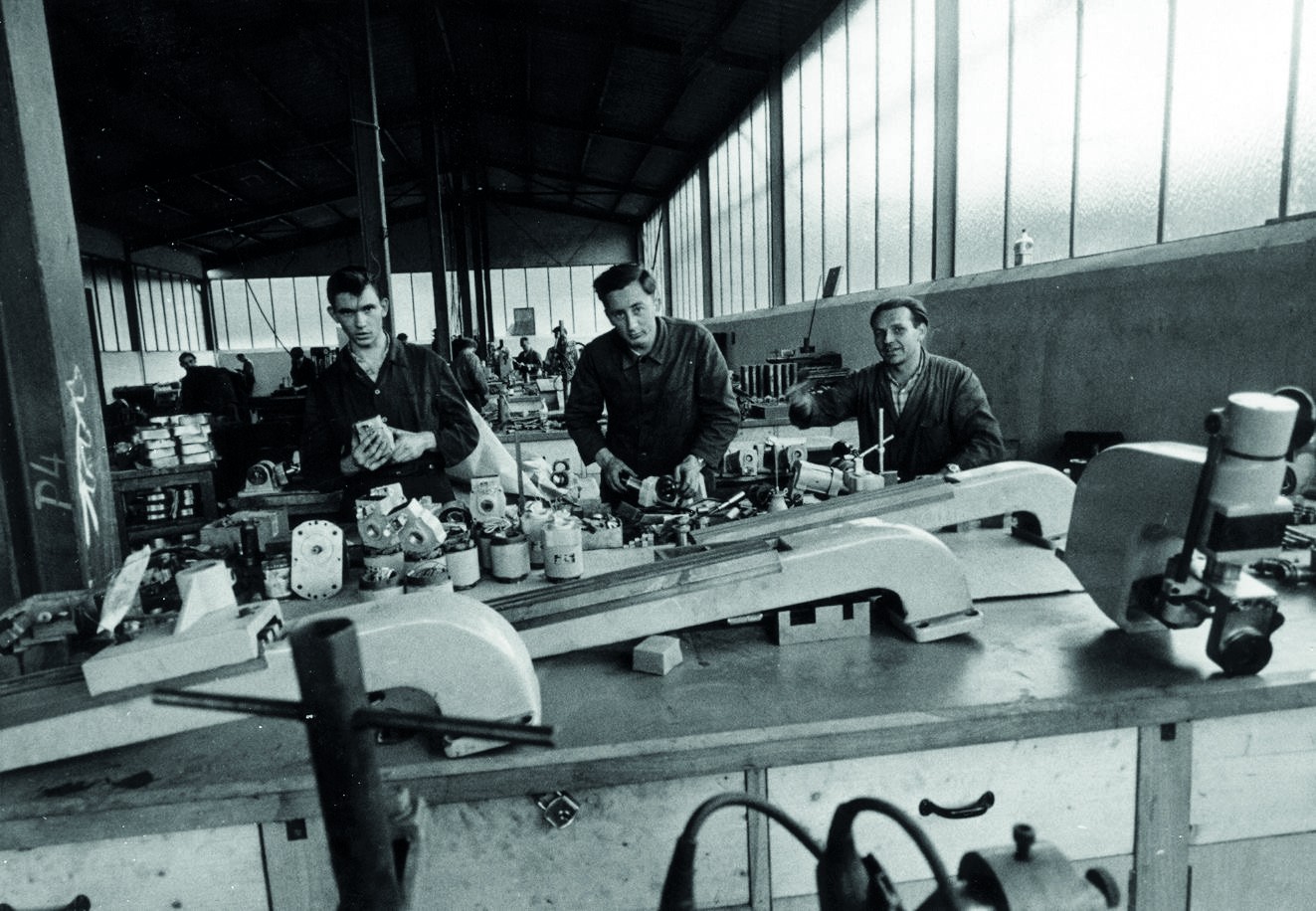
1959
Construction of the Gusshof and Hall 2.
Expansion of the production program to include the SW 3. -
1960
Significant expansion of the machine fleet for machining machine parts.
-
1962
Mr. Horst Geibel, son-in-law of Mr. Jakob Koch, joined the company.
-
1965
Further expansion of Hall 2 up to “der Michelbach,” the small stream that crosses our company grounds.
Delivery of the 1,000th grinding machine in May. -
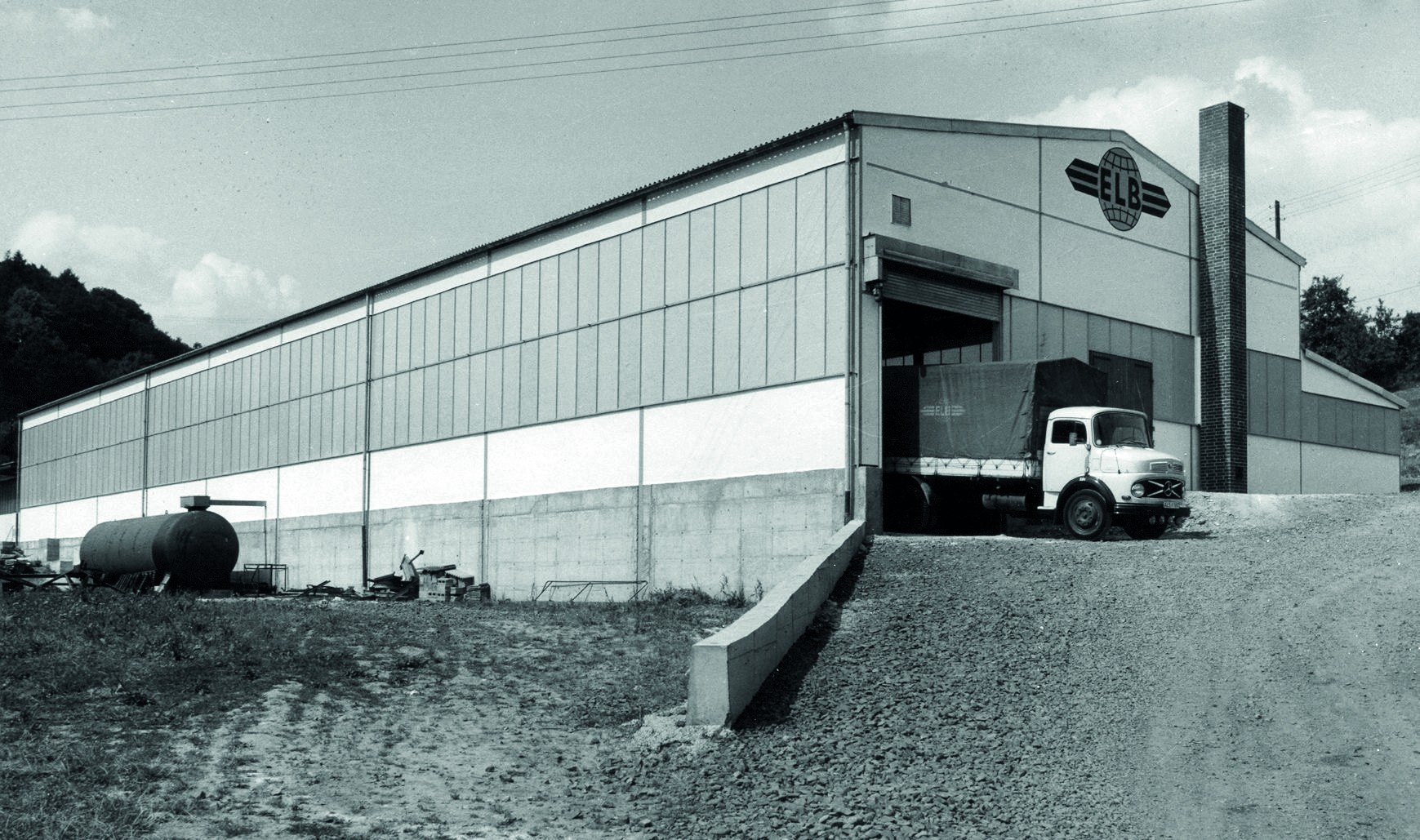
1969
Horst Geibel becomes an authorized signatory of ELB-Werkzeug- und Maschinenbau GmbH.
An extension is added to Hall 3, significantly increasing the production area.
-
1970
Jakob Koch passed away at the age of just 64.
-
1971
Horst Geibel is appointed managing director.
Expansion of manufacturing technologies to include the grinding of machine bases and guideways using an SWD 020 guideway grinding machine.
-
1972
Mr. Edgar Hotz joins ELB-Werkzeug- und Maschinenbau GmbH as the second managing partner.
-
1973
An attempt to diversify the product line of ELB-Werkzeug- und Maschinenbau GmbH by manufacturing magnetic clamping plates, high-pressure cleaners, and paper printing presses.
-
1974
Establishing the "Machine Overhauls" business line to ensure capacity utilization.
-
1977
Presentation of the newly developed electromechanical timing belt table drive for surface grinders, which is still in use today.
-
1979
Expansion of the sheet metal shop and paint shop.
-
1980
Founding of Geibel & Hotz GmbH.
-
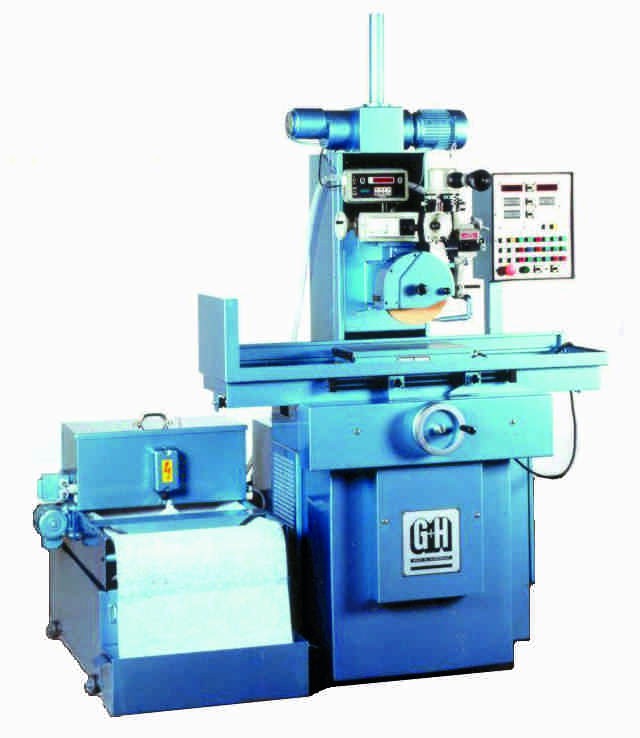
1983
Dipl.-Ing. Thomas Levin joins Geibel & Hotz GmbH as a development and sales engineer.
Market launch of the FS 40, Geibel & Hotz’s first in-house design of a surface grinder with a working area of 400 x 200 mm.
-
1986
Expansion of the Geibel & Hotz machine lineup to include the FS 50, with a working area of 500 x 250 mm.
-
1987–1988
Deterioration of the economic situation.
-
1989
Through a strategic alliance with a Spanish competitor, the modular machine system is being expanded to include surface grinders with a working area of up to 2,000 x 600 mm. The “HK Orion” machine line, which is sold throughout Europe, is manufactured using this modular system.
-
1993
The machine tool industry in Germany faces difficult economic conditions. Bankruptcy looms. Horst Geibel, Thomas Levin, and Dr. Michael Militzer develop a rescue plan. Through restructuring and downsizing, the impending bankruptcy is averted.
Dr. Michael Militzer becomes a partner at Geibel & Hotz GmbH, while Horst Geibel and Thomas Levin become managing partners.
-
1993
Introduction of innovative technical advancements such as the roller ring screw drive as an electromechanical table drive, as well as the new “SL” and “CNC” control variants.
Stabilization of a supply chain with global suppliers; significant streamlining of the assembly process for machine completion.
-
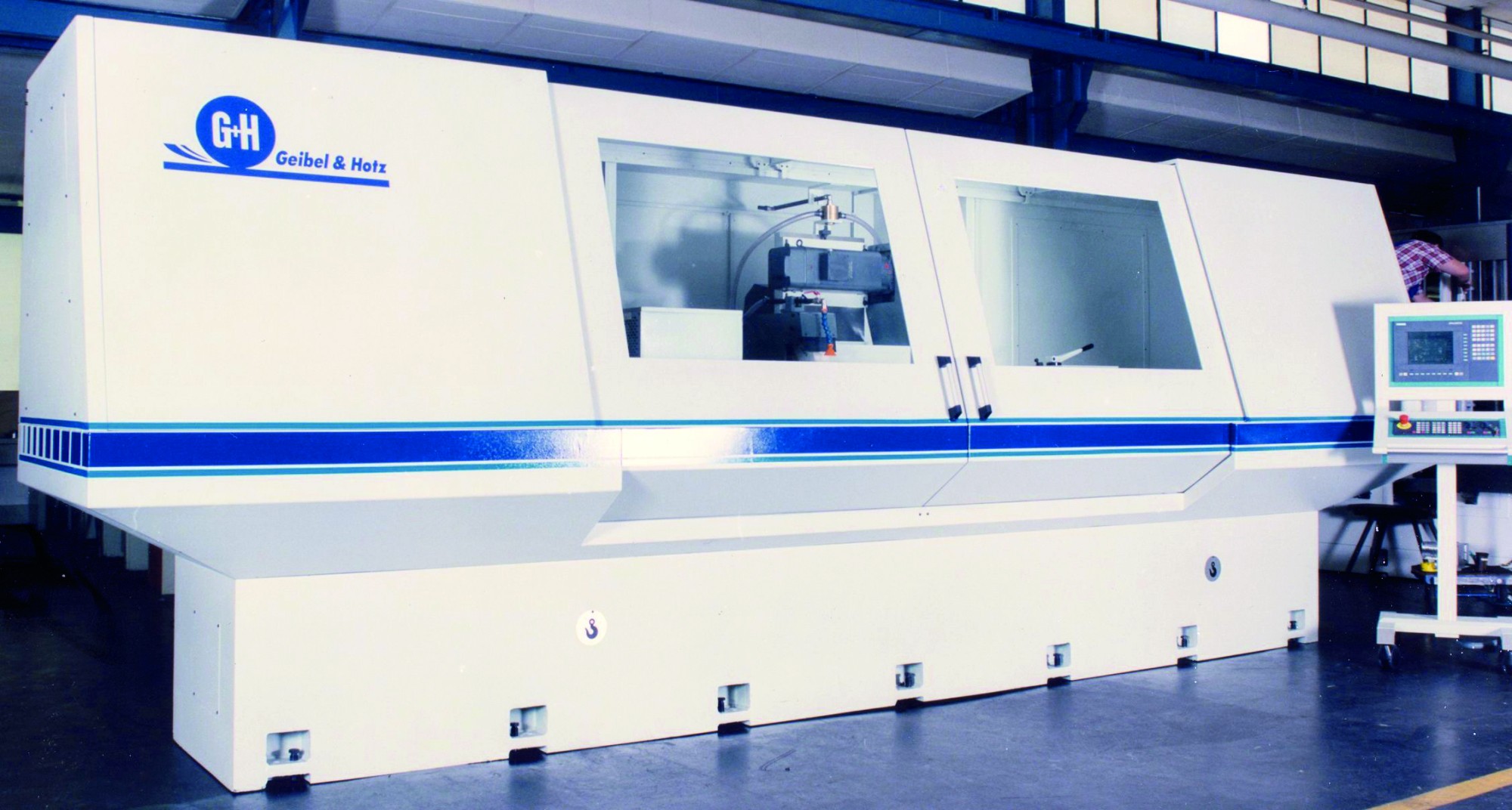
1997
Presentation of the world's first Geibel & Hotz cylindrical grinding machine at the world's leading trade fair, "EMO," in Hanover.
-
1999
Horst Geibel steps down as managing partner. Dr. Michael Militzer takes over management alongside Thomas Levin.
-
2001
Introduction of the world's first surface grinder equipped with B&R control hardware.
-
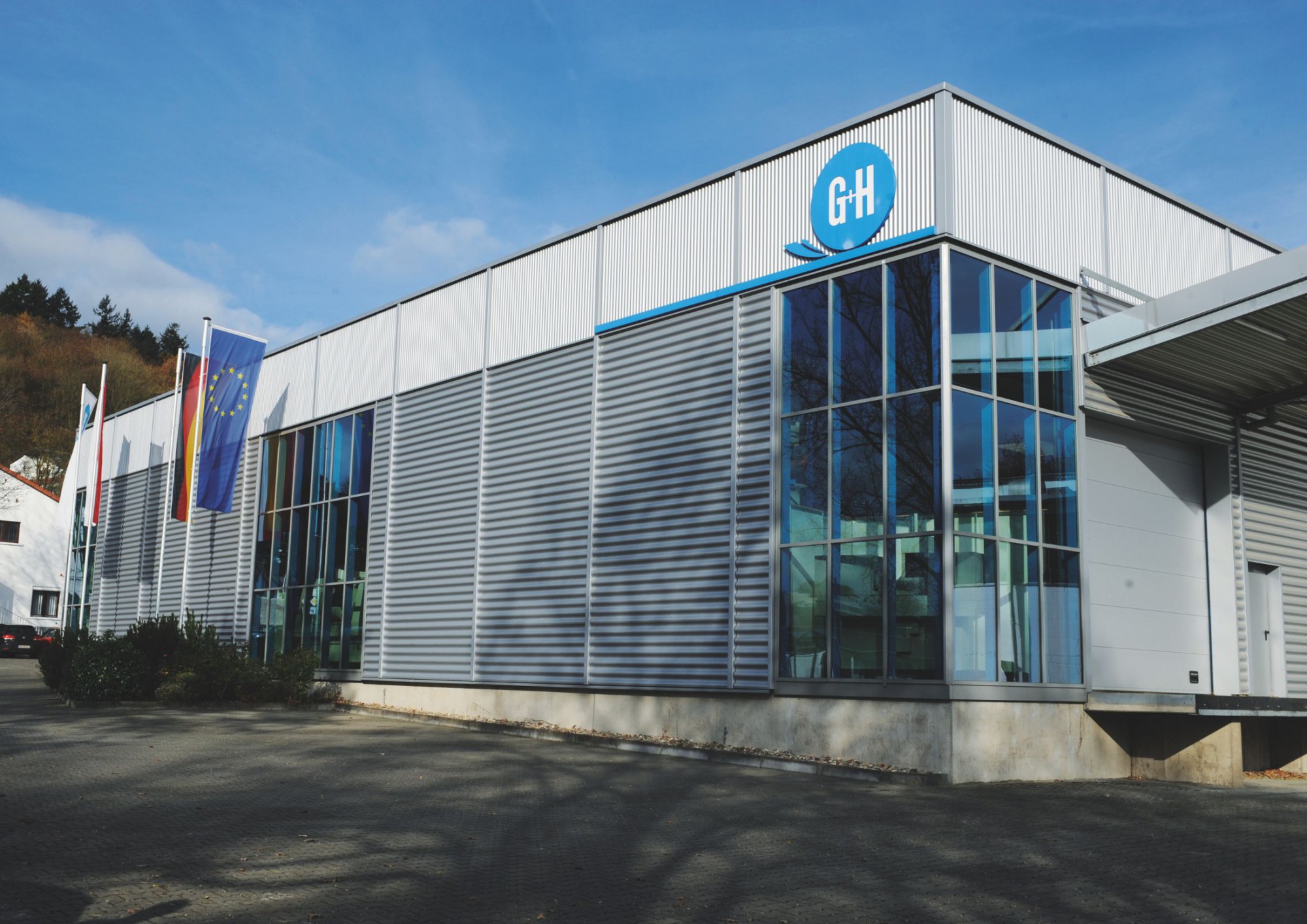
2006
Inauguration of the latest new production facility and a comprehensive overhaul of production logistics.
-
2011
Felipe Levin joins Geibel & Hotz GmbH.
-
2012
Consistent implementation of new safety solutions in machine control systems to meet the expanded requirements of standards bodies.
-
2013
Felipe Levin becomes a partner at Geibel & Hotz GmbH.
Thomas Levin is stepping down after 30 years in the workforce and 20 years as managing director at Geibel & Hotz GmbH.
-
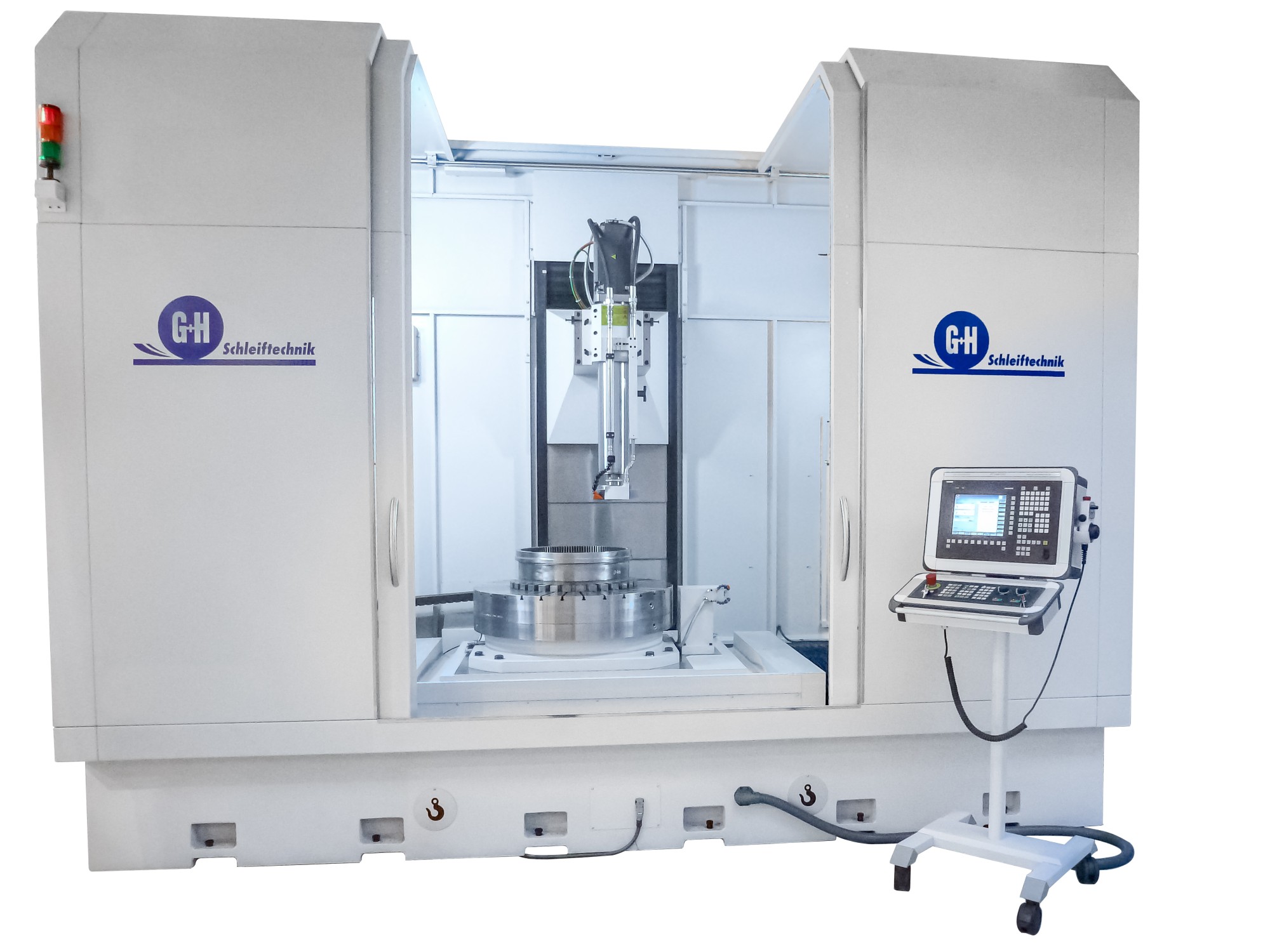
2014
Expansion of the machine tool series to include the RTV series, round-table grinding machines with a vertical grinding spindle configuration.
-
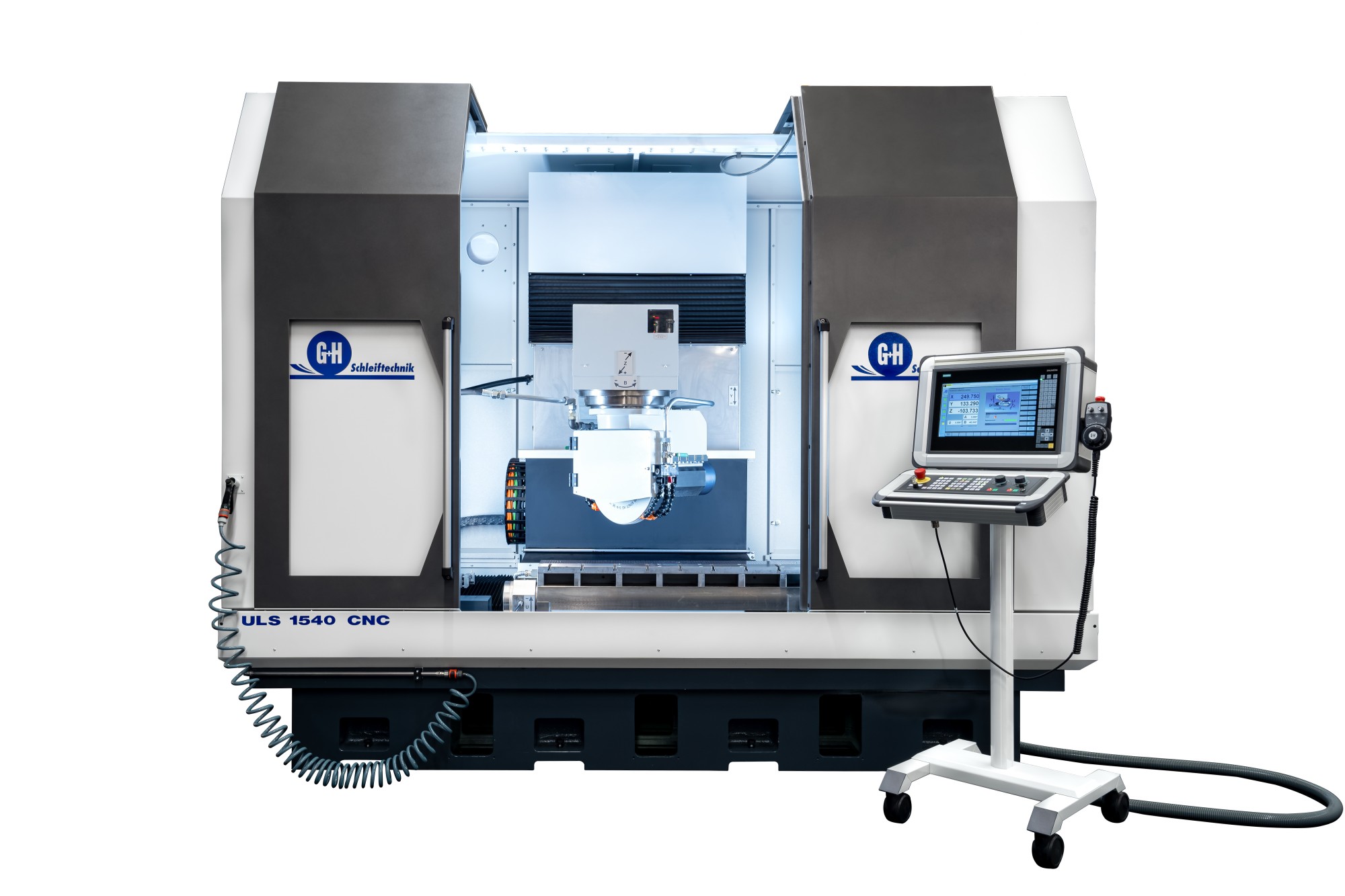
2021
Expansion of the machine tool lineup to include the ULS series, a universal linear grinding machine with up to seven axes.
-
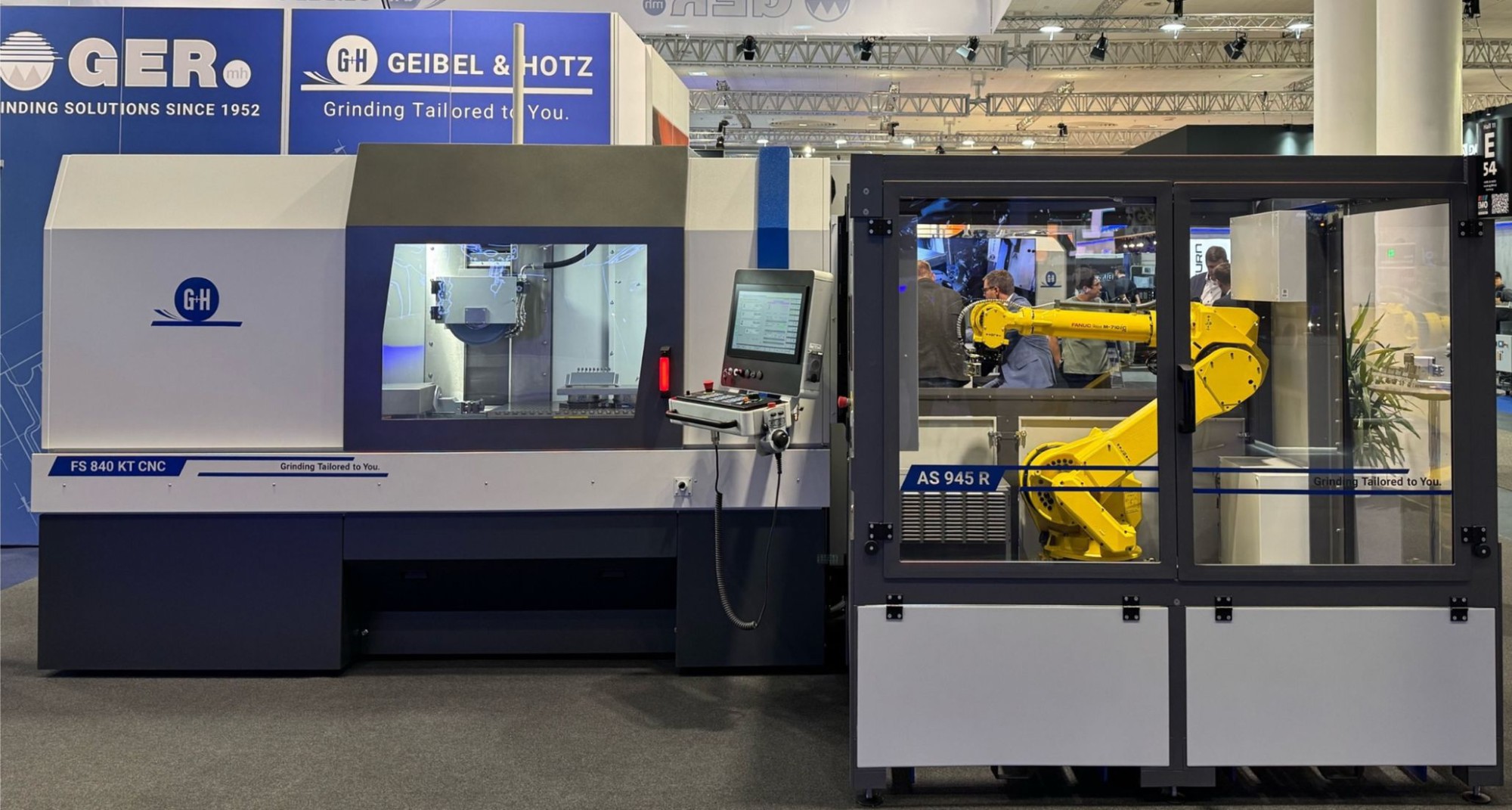
2025
Geibel & Hotz’s first universal automation system, “multiROB,” will be presented at the “EMO” in Hanover.
-
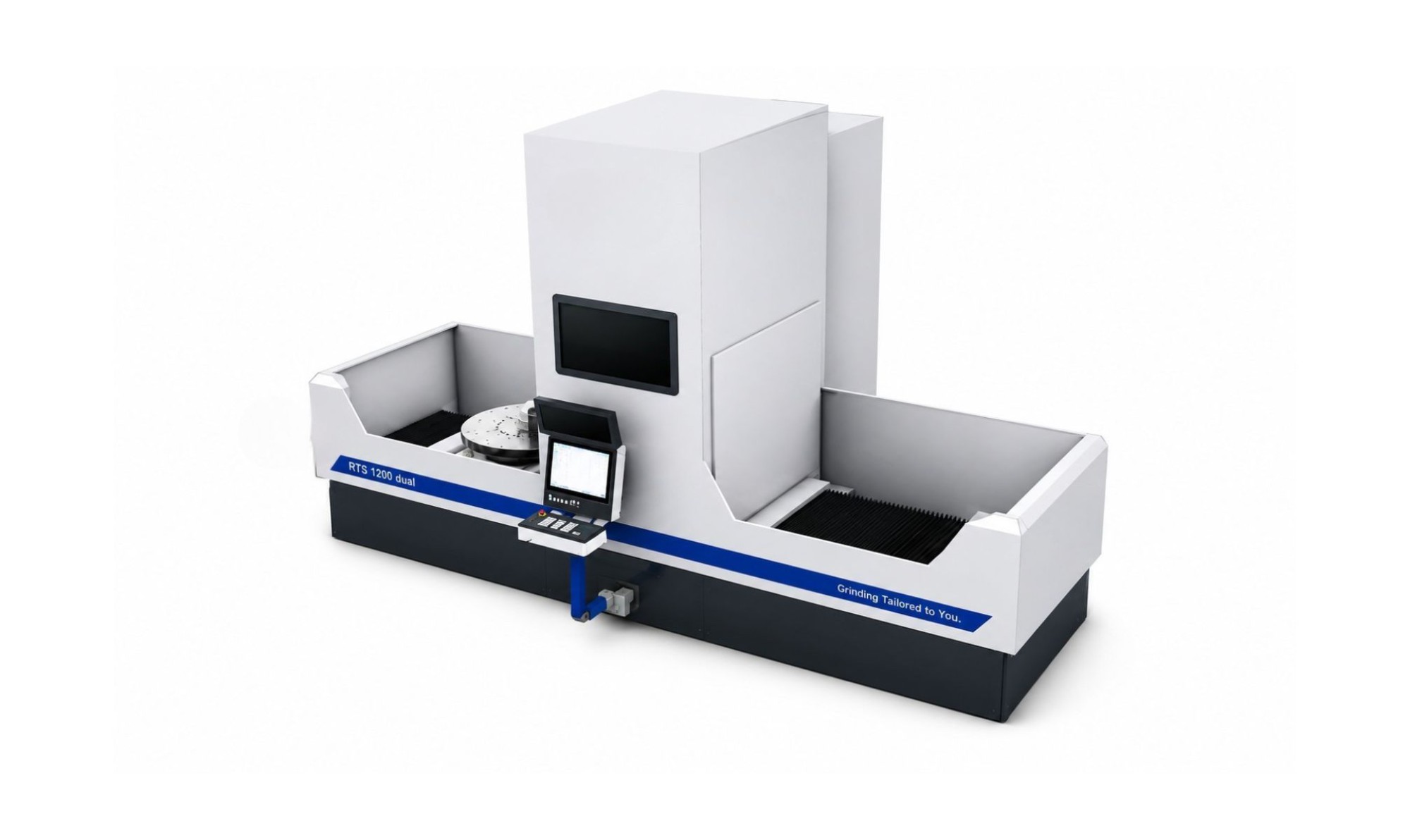
2025
Expansion of the machine tool lineup to include the RTS and FSS series. Rotary table and surface grinders with segmented grinding heads.